
Pain Management Program
Personalized pain management focused on comfort
Pain can affect movement, sleep, daily activities, mood, and a person’s ability to participate fully in rehabilitation
The Pain Management service focuses on understanding the nature and impact of pain and developing an individualized care plan based on the patient’s condition, needs, and rehabilitation goals
Our approach may combine medical assessment, appropriate pain-relief strategies, rehabilitation, patient education, and ongoing follow-up to help patients manage pain and improve their ability to function
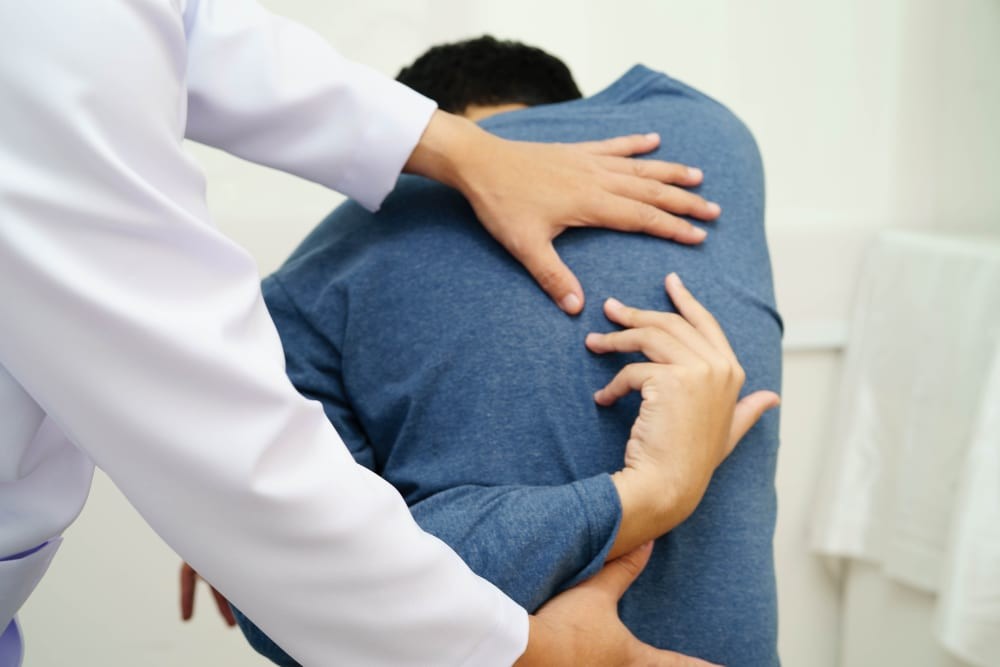
Pain is a personal experience, and its impact can vary from one person to another
A comprehensive assessment helps the care team understand:
Where the pain is located and how it affects movement and daily activities
When the pain started and how it has changed over time
The intensity, pattern, and factors that may increase or reduce the pain
The impact of pain on sleep, mobility, mood, and quality of life
Relevant medical conditions, medications, previous treatments, and rehabilitation needs
This information helps guide an individualized pain management plan.
Effective pain management begins with understanding the person, not just the pain
Depending on the patient’s condition, care may involve:
Assessment
Understanding the type, severity, pattern, and impact of pain.
Individualized Planning
Setting realistic goals based on the patient’s needs, function, and rehabilitation priorities.
Multidisciplinary Care
When appropriate, different healthcare professionals may contribute to the patient’s care plan and work toward shared goals.
Ongoing Review
Monitoring progress and adjusting the care plan according to the patient’s response and changing needs.
Pain management is an integral part of rehabilitation, helping patients participate more effectively in their recovery journey
Depending on the condition and clinical assessment, the rehabilitation plan may address:
Movement and physical function.
Strength, flexibility, and mobility.
Safe participation in daily activities.
Strategies for managing pain during activity.
Education and self-management skills.
The goal is not simply to focus on pain intensity, but also to help the patient achieve meaningful improvements in function and daily life.
Pain management may involve one or more approaches depending on the cause and characteristics of the pain.
These may include:
Medical assessment and appropriate treatment of the underlying condition.
Medication when clinically appropriate and prescribed by the treating healthcare professional.
Physical and rehabilitation-based interventions.
Education and self-management strategies.
Psychological and behavioral approaches when appropriate.
Other specialized interventions when clinically indicated.
Treatment is individualized, and not every approach is appropriate for every patient.
Pain management may be appropriate for patients experiencing pain associated with a range of conditions, including:
Musculoskeletal pain.
Chronic back and neck pain.
Pain following injury or surgery.
Neurological conditions associated with pain.
Arthritis and other joint-related conditions.
Pain that limits mobility
Pain that limits participation in rehabilitation.
Persistent pain that affects daily activities or quality of life.
A clinical assessment is important to determine the cause of pain and the most appropriate management approach
Managing persistent pain often involves more than treating pain when it occurs
Patients may benefit from learning practical strategies that help them understand their pain, manage daily activities, and participate safely in rehabilitation.
Education may include:
Understanding pain triggers and patterns.
Using activity and movement strategies appropriately.
Following the recommended rehabilitation plan.
Supporting healthy sleep and daily routines.
Recognizing changes that may require further medical assessment.
Building confidence in safe self-management.
The care team works with each patient to establish realistic goals that are meaningful to their daily life.
Consider seeking a clinical assessment when pain:
Pain persists or keeps returning and begins to affect your daily life.
Pain interferes with sleep.
Pain limits your movement, mobility, or participation in activities you normally enjoy.
Pain develops gradually with reduced activity, muscle weakness, or decreased physical fitness.
Joint or back pain.
Pain becomes more severe or changes in nature over time.
Pain develops following an injury, medical procedure, or surgery.
Pain continues despite appropriate changes in daily habits or activity.
Pain is accompanied by new or concerning symptoms.
Some types of pain may require urgent medical assessment, particularly when accompanied by significant weakness, loss of sensation, difficulty breathing, chest pain, or other sudden and concerning symptoms.
Our goal is to help every person move, perform daily activities, and participate in life with greater comfort and confidence.
Pain management programs focus on individualized care, realistic goals, and ongoing assessment to support each person’s overall rehabilitation journey, rather than treating pain in isolation from their condition and individual needs.